
Low Vision
Low Vision
When routine vision management practices are no longer effective, patients often feel discouraged and believe they have exhausted all options in eye care
Low Vision
The sessions include procedures designed to enhance the brain’s ability to control and emphasizes upon binocular vision development through visual information processing system and improves
Children and adults are considered to have low vision when, due to disease, hereditary conditions, or trauma, they experience severe visual impairment that either reduces or restricts their ability to use remaining vision. Gone are the days when low vision was just considered as practice of providing magnifiers where as modern low vision services helps children and adults to carry out daily task comfortably.
Below are some of conditions who can be benefited with low vision services
- Congenital cataract / Aphakia
- Retinitis Pigmentosa
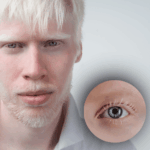
- Albinism
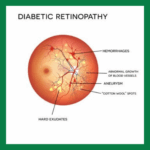
- Diabetic retinopathy
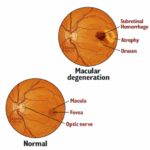
- Age related macular degeneration
- Heredomacular degeneration (eg: Stargardt’s disease)
- Glaucoma
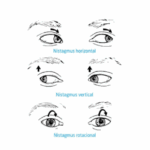
- Nystagmus
- Optic nerve problems (eg: Optic atrophy)
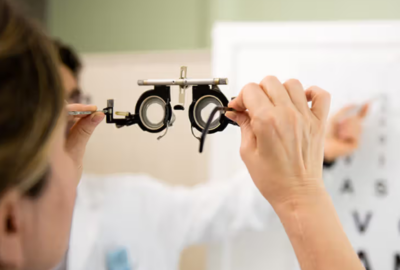
We carry out comprehensive assessment of low vision patients and offer a wide range of low vision devices which can be either optical, non optical or electronic devices to meet every individual visual needs and help patients lead a healthy, comfortable and confident life.