

Albinism
Albinism
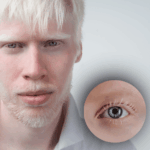
Albinism is a rare genetic condition caused by mutations, or changes, of certain genes that affect the amount of melanin your body produces. Melanin controls the pigmentation (color) of your skin, eyes and hair. People with albinism have extremely pale skin, eyes and hair. They’re at an increased risk of vision, skin and social issues
What is albinism?
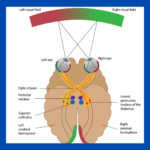
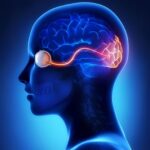
Albinism is a genetic disorder where you’re born with less melanin pigment than usual. Melanin is a chemical in your body that determines the color of your skin, hair and eyes. It’s also involved in optic nerve development, which means it helps your eyes function as they should.
What are the signs and symptoms of albinism?
Albinism typically affects the appearance of your skin, hair and eyes. It may also affect your vision, or how you see the world around you.
Eyes
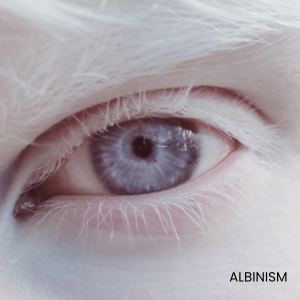
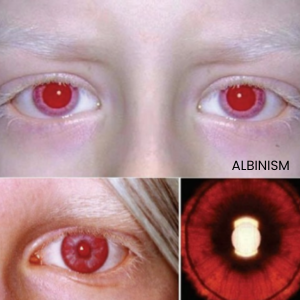
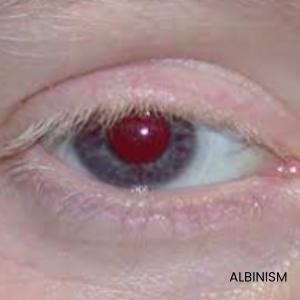
Many people have blue eyes (often very pale). Others have hazel or brown eyes. But albinism doesn’t just affect eye color. It also affects how your eyes develop and function.
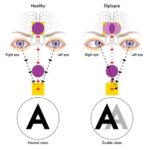
People with albinism can experience a wide range of eye-related signs and symptoms, including:
- Blurry or distorted vision.
- Refractive errors.
- Reduced depth perception.
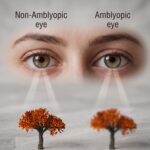
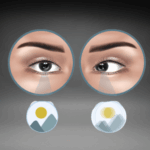
- Crossed eyes (strabismus).
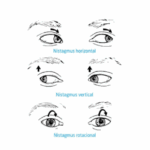
- Rapid eye movements (nystagmus).
- Light sensitivity (photophobia).