

Binocular Vision


Binocular Vision
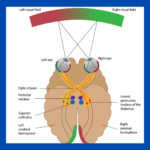
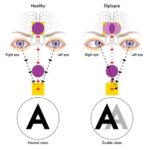
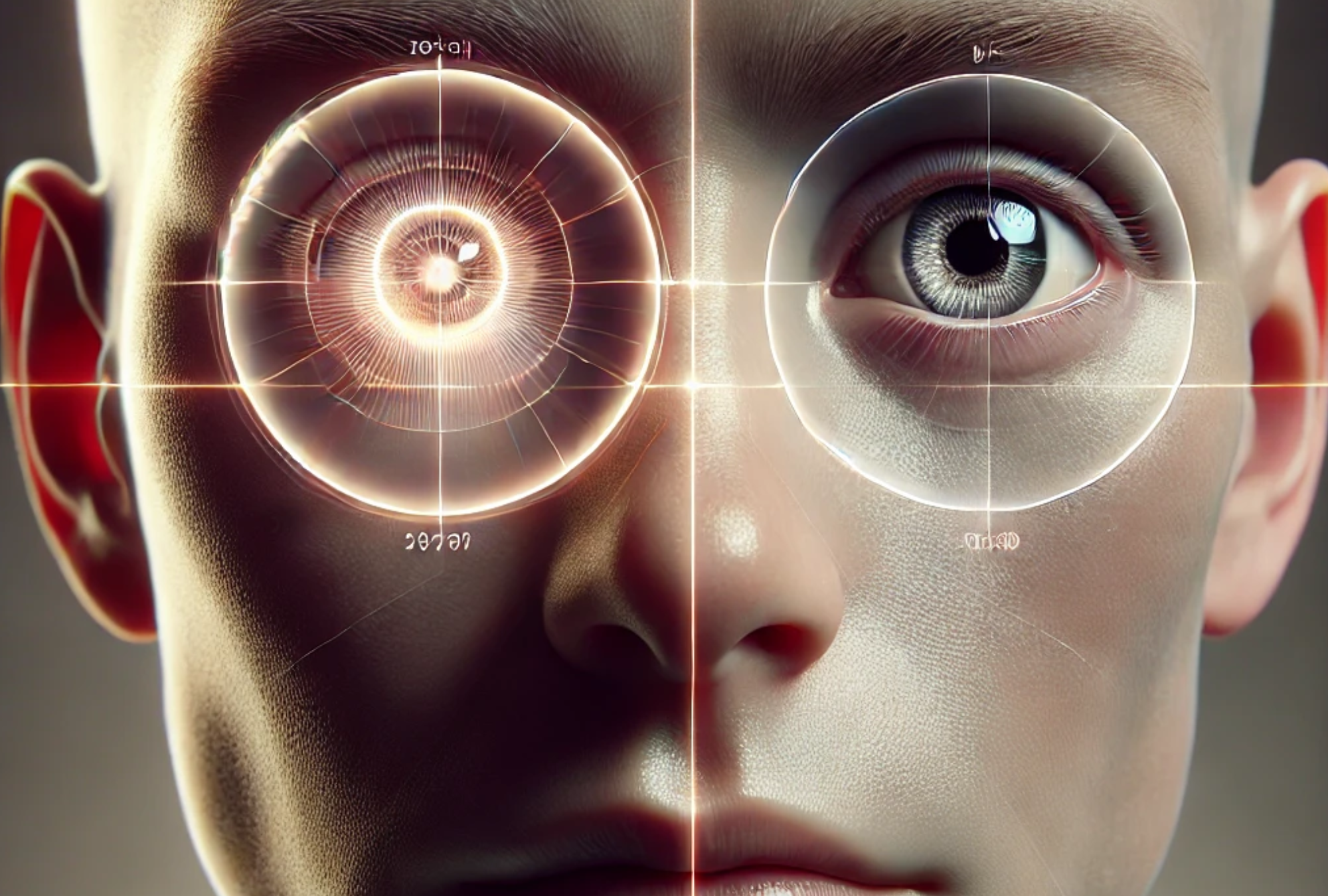
Binocular vision is the ability to use both eyes together to perceive a single, three-dimensional image of the surroundings. It allows for depth perception (stereopsis) and a wider field of view, making it essential for activities like driving, sports, and reading.
Age Group Affected by Binocular Vision
Binocular Vision
The sessions include procedures designed to enhance the brain’s ability to control and emphasizes upon binocular vision development through visual information processing system and improves
To determine if your symptoms are the result of Binocular Vision Dysfunction, we suggest you first see your primary care physician or specialist to rule out other causes for your symptoms. If no cause is found for the symptoms, then BVD might be the issue.
What to expect when you visit Heights Eye Center:
- We will ask you to fill out a specialized questionnaire designed to help diagnose those who have BVD.
- You will be asked to complete a detailed Health History form.
- We will perform an eye exam to determine whether you need to correct for nearsightedness, farsightedness, and/or astigmatism (a common imperfection in the eye’s curvature).
- We will perform a specialized exam (NeuroVisual Evaluation) to determine if visual misalignment is present.
- If diagnosed with BVD, we will fit you with a trial version of your new prescription. Most people notice a significant improvement in their symptoms within just a few minutes of putting on the trial lenses.