

Myopia Management

Myopia Management
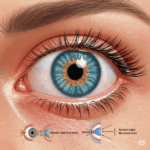
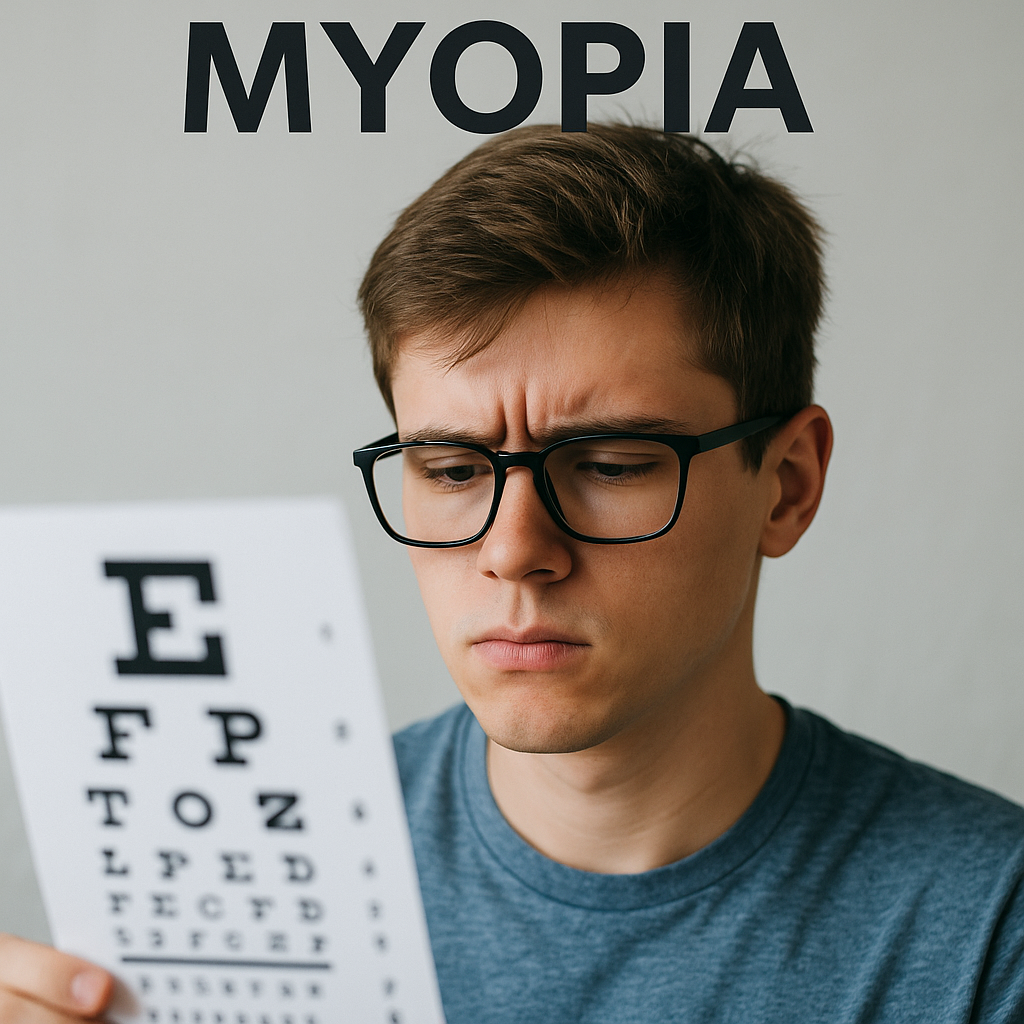
Myopia, or nearsightedness, is a common refractive error where distant objects appear blurry while close objects remain clear. It occurs when the eyeball is too long or the cornea is too curved, causing light to focus in front of the retina instead of directly on it.
Age Groups Commonly Affected by Myopia
Myopia Management
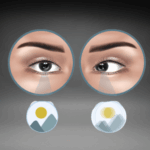
The sessions include procedures designed to enhance the brain’s ability to control and emphasizes upon binocular vision development through visual information processing system and improves
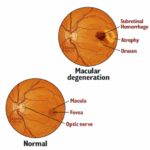
The condition typically manifests as blurred distance vision, frequent eye rubbing, and squinting. School myopia usually develops between the ages of 5 and 15, stabilizing in the late teens, and is primarily considered idiopathic. High myopia, however, can be linked to serious complications such as myopic macular degeneration, cataracts, glaucoma, and peripheral retinal issues like lattice degeneration, retinal holes, and tears, increasing the risk of retinal detachment. Additionally, there is a higher likelihood of vision-threatening retinal complications, including choroidal neovascular membranes, which can significantly impact quality of life.
Studies and experts agree that the most common reasons children develop myopia is:
- wearing glasses that are too strong or too weak
- minimal or lack of exposure to the outdoors
- excessive close up work and play related to smart phones and tablets
- children whose parents are nearsighted
- children of Asian descent