
Neuro Optometric Rehabilitation
Neuro Optometric Rehabilitation
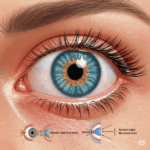
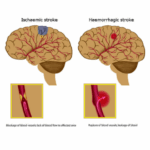
Neuro-optometric rehabilitation is a personalized therapy designed for individuals with visual impairments resulting from neurological conditions such as traumatic brain injuries, stroke, and other physical disabilities. This specialized treatment focuses on improving visual function, enhancing coordination, and restoring visual processing abilities to support overall recovery and daily activities.
Neuro Optometric Rehabilitation
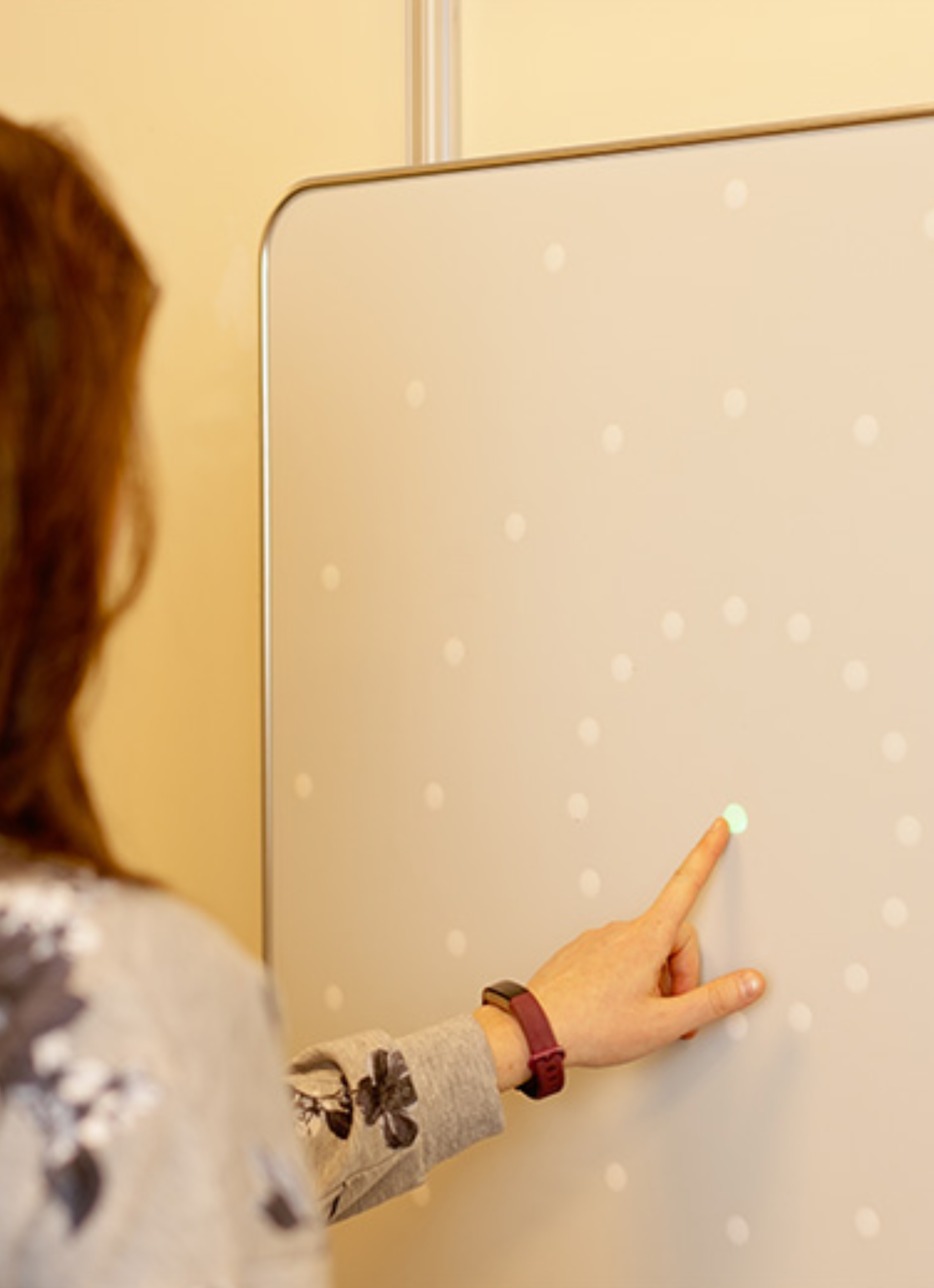
The sessions include procedures designed to enhance the brain’s ability to control and emphasizes upon binocular vision development through visual information processing system and improves
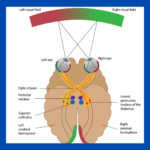
Neuro-optometric therapy is a rehabilitative process aimed at addressing visual, perceptual, and motor dysfunctions. It encompasses conditions such as acquired strabismus, diplopia, binocular dysfunction, convergence and accommodation issues, oculomotor dysfunction, visual-spatial impairments, visual perceptual and cognitive deficits, as well as traumatic visual acuity loss. Visual disturbances resulting from traumatic brain injuries, strokes, multiple sclerosis, and other neurological conditions can significantly impact daily functioning, sometimes leading to misidentification as learning disabilities or attention deficit disorders.
A tailored neuro-optometric rehabilitation plan targets specific acquired vision dysfunctions based on standardized diagnostic criteria.
Without proper intervention, visual system disorders can lead to challenges in processing visual information, impaired depth perception, and difficulties with balance and posture, ultimately affecting overall quality of life.
Following are some common vision problems that may occur following brain injury or other medical conditions such as a stroke:
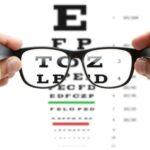
- Eye focusing – Blurred vision or ability to shift focus between objects between near and far distances may be compromised.
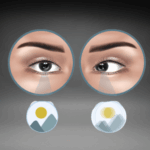
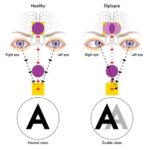
- Eye teaming – Your eyes may not work together properly as a team even to the point of experiencing double vision.
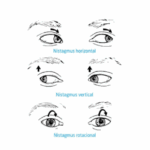
- Eye movements – You may experience difficulty with eye movements when reading or trying to follow a moving object (like a ball being thrown). Losing your place while reading is common complaint
- Motion sensitivity – The integration between the vision and balance system can be disrupted, making it difficult to process motion properly. Symptoms can include discomfort and even dizziness when scrolling on a computer screen or phone, or when in busy environments such as grocery stores, social settings, or sporting events.