
Nystagmus
Nystagmus
Nystagmus is rapid, uncontrollable eye movements. If you have nystagmus, your eyes may move up and down, side to side or in a circular motion. Sometimes people are born with it (congenital nystagmus), but you can also develop it later in life (acquired nystagmus). Glasses, contact lenses, medications and surgery are potential treatments.
What is nystagmus?
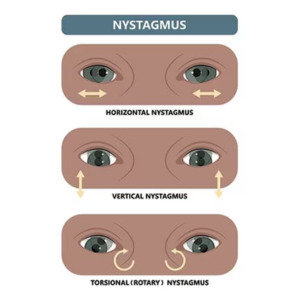
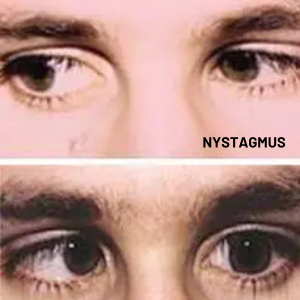
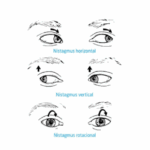
Nystagmus (pronounced “ni-STAG-muhs”) is a condition where your eyes make rapid, repetitive, uncontrolled movements. Your eyes may move in different directions:
- Side to side (horizontal nystagmus).
- Up and down (vertical nystagmus).
- In a circle (rotary or torsional nystagmus).
Types of nystagmus
Nystagmus affects both children and adults. There are two types: congenital or infantile (onset at birth or in the first few months of life) and acquired (onset after 6 months of age).
How common is nystagmus?
Researchers don’t know for sure how many people in the general population have nystagmus. Previous studies have reported that anywhere from 6 to 24 people out of every 10,000 have some type of nystagmus.
Is nystagmus a serious condition?
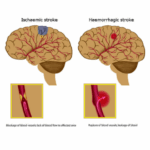
Nystagmus itself isn’t considered dangerous. But it may be associated with serious health conditions, especially those affecting your brain, such as stroke, brain tumor, toxicity, head trauma (injury) and inflammatory diseases.